Verified
Profiles
॥ जय जिनेन्द्र ॥

Digambar, Shwetambar, Sthanakvasi and Terapanth — all welcome
Every Jain tradition, equally at home
Whether your family is Digambar or Shwetambar — Murtipujak, Sthanakvasi or Terapanth — every profile has a place for your own tradition, your community and your family line, and every Jain family is equally welcome.
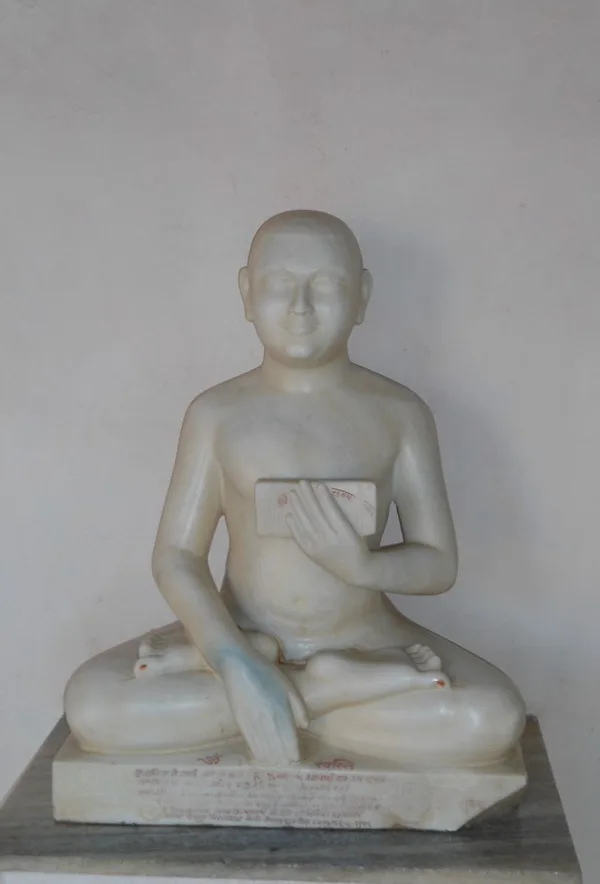
Photo: Jain cloud, CC BY-SA 4.0, via Wikimedia Commons
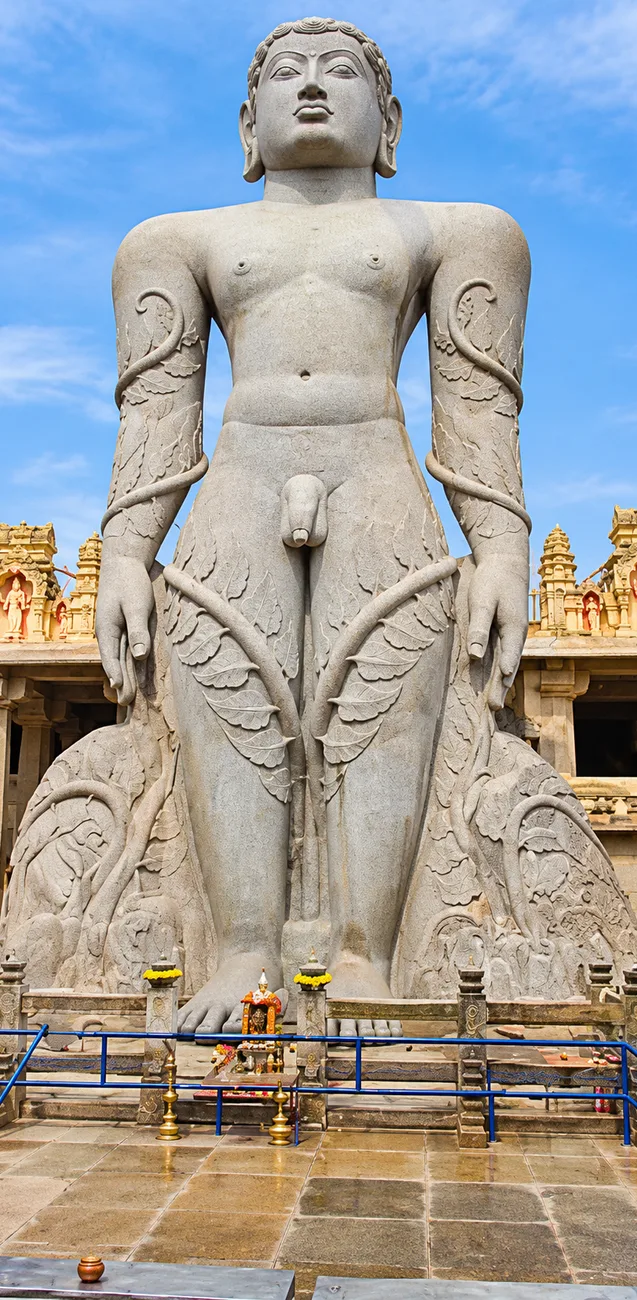
Families of the Digambar tradition, whose monks give up every possession but a peacock-feather whisk and a water pot — even clothing — and whose temples keep the Tirthankara's image unadorned, in deep meditation. The auspicious verse many families recite remembers Bhagwan Mahavira, Gautam Ganadhar and Acharya Kundakunda.
Tirthas held dear: Shravanabelagola, Moodbidri, Karkala and Humcha in Karnataka; Kumbhoj and Kundal in Maharashtra; and Sammed Shikharji and Pawapuri, revered by every Jain family.
Communities welcomed: Khandelwal, Agarwal Jain, Parwar, Golapurva, Jaiswal Jain, Bagherwal, Palliwal, Humad, Narsinghpura, Saitwal, Chaturth, Panchama, Kasar (Bogar), Upadhye, Jain Bunt, Tamil Jain (Nainar), and more.
Panths welcomed: Bisapanthi, Terapanthi, Taranpanthi (Samaiya), Gumanpanthi, Totapanthi, and families who simply say Digambar.
About Digambar families on Jai Jinendra Matrimony →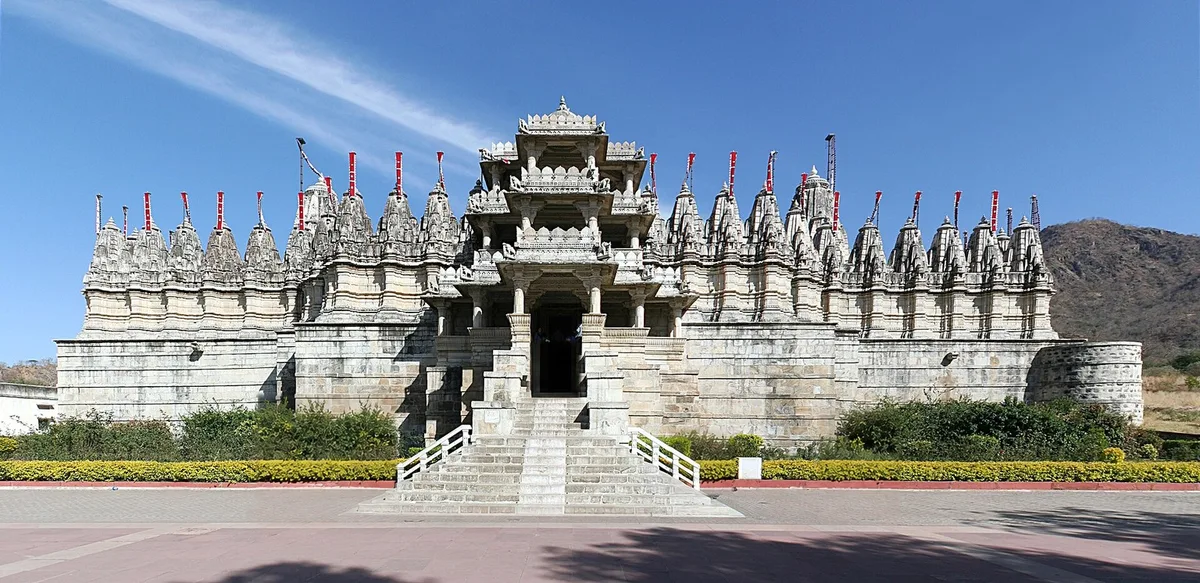
Photo: Ingo Mehling, CC BY-SA 3.0, via Wikimedia Commons (edited: visitors removed)
Families who worship the Tirthankara's image in the derasar — adorned with angi on festive days — and whose monks and nuns wear white. They follow their gacchas: Tapa, Kharatar, Anchal and more.
Tirthas held dear: Shatrunjaya at Palitana, Girnar, Ranakpur, Dilwara at Mount Abu, Shankheshwar, Kulpakji in Telangana, and Sammed Shikharji.
Communities welcomed: Oswal — Halari Visa Oshwal, Kutchi Dasa Oswal, Kutchi Visa Oswal, Vagad Visa Oswal — Porwal (Porwad), Shrimal (Shrimali), Humad, Nema, Palanpuri Jain, and more.
Gacchas welcomed: Tapa, Kharatar, Anchal, Parshwachandra and the other gacchas, and families who simply say Shwetambar.
About Shwetambar Murtipujak families on Jai Jinendra Matrimony →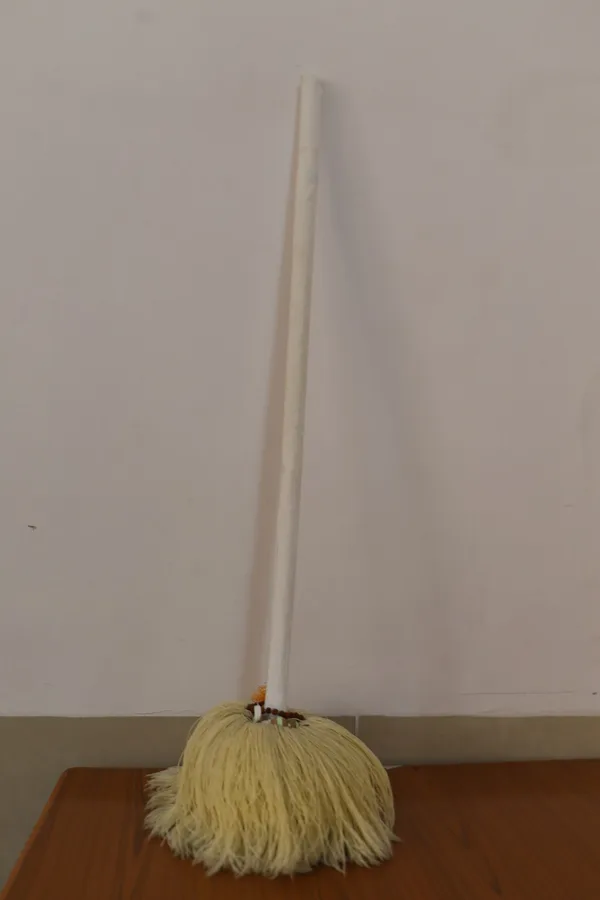
Photo: Yashovijaybharati, CC BY 4.0, via Wikimedia Commons
Shwetambar families who pray without images, in the sthanak — the hall where their monks and nuns stay and teach — for samayik, pratikraman and discourse. Monks and nuns wear the muhapatti and carry the rajoharan, the soft whisk that keeps the smallest life from harm.
Where families gather: The sthanak in their own town, and the chaturmas — the four rainy-season months when monks and nuns stay in one place to teach.
Communities welcomed: Oswal, Porwal, Shrimal and other Shwetambar communities, across India and abroad.
About Sthanakvasi families on Jai Jinendra Matrimony →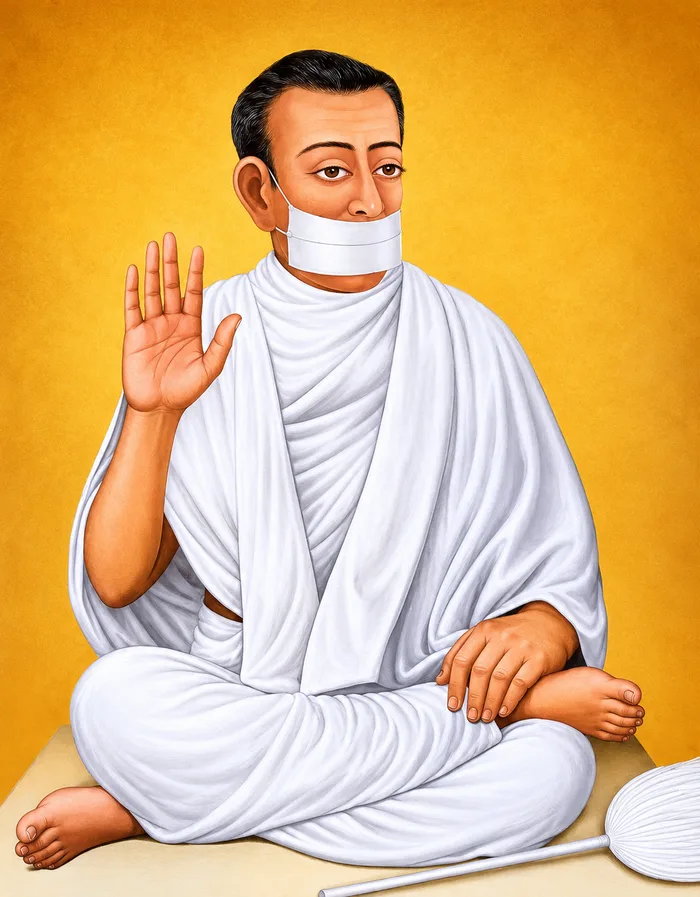
Artwork based on "Acharya Shree Bhikshu Painting" by King Rishab Dugar, CC BY-SA 4.0, via Wikimedia Commons
Founded by Acharya Bhikshu, who set out with a few monks at Bagadi in Marwar in 1760. The name first recalled the thirteen monks and thirteen lay followers it began with; Acharya Bhikshu gave it his own meaning — "O Lord, it is your path." Terapanth families worship without images, and the order is known for its discipline under one acharya.
Places and days held dear: Acharya Bhikshu's samadhi at Siriyari, Jain Vishva Bharati at Ladnun, and the annual Maryada Mahotsav.
Communities welcomed: Oswal and other Shwetambar communities, across India and abroad.
About Terapanth families on Jai Jinendra Matrimony →Families who simply say "Jain", without naming a sect, are just as welcome — sect, gotra and family deity are each the family's own choice to give.
The name we carry
"Jai Jinendra" is how Jain families greet one another — Digambar and Shwetambar, in Karnataka and Gujarat, in Kolhapur and Kolkata, in Chennai and Chicago. Jinendra means the lord of the Jinas, the Tirthankaras who conquered every inner passion. That is why the name belongs to no single sect, region or language, and welcomes them all.
Our mark is the raised hand with the wheel — the hand of ahimsa from the Jain emblem of 1975, the one so many families print on their wedding cards. Its twenty-four spokes remember the twenty-four Tirthankaras.
णमो अरिहंताणं · नमो अरिहंताणं
The first line of the Namokar Mantra — the Navkar Mantra to many Shwetambar families — bowing to the Arihantas. Most Digambar families recite Ṇamo, most Shwetambar families Namo; it is the same prayer, and every sect recites it.
परस्परोपग्रहो जीवानाम् — Parasparopagraho Jivanam, the motto of the Jain emblem: all life is bound together by mutual support. We can think of no better promise for two families coming together.


Where every Jain alliance begins
Oswal, Porwal, Shrimal, Khandelwal, Agarwal Jain, Parwar, Saitwal, Chaturth, Panchama, Kasar and many more — the community a Jain family belongs to is the first thing another family asks, and it is the first line of every profile here.
See every Jain community →Digambar — Bisapanthi, Terapanthi and the other panths — or Shwetambar — Murtipujak, Sthanakvasi or Terapanth. Choose it from the list — "Shwetambar – Sthanakvasi", "Digambar – Bisapanthi" — and other families can search for exactly that.
In the north and west, families keep their gotra in view — how many gotras a match avoids is each community's own custom. In the Deccan, most Chaturth, Panchama, Saitwal and Kasar families go by the family name instead; Jain Bunt families by their bari. Every line is optional: you write what your family follows.
The table two families share
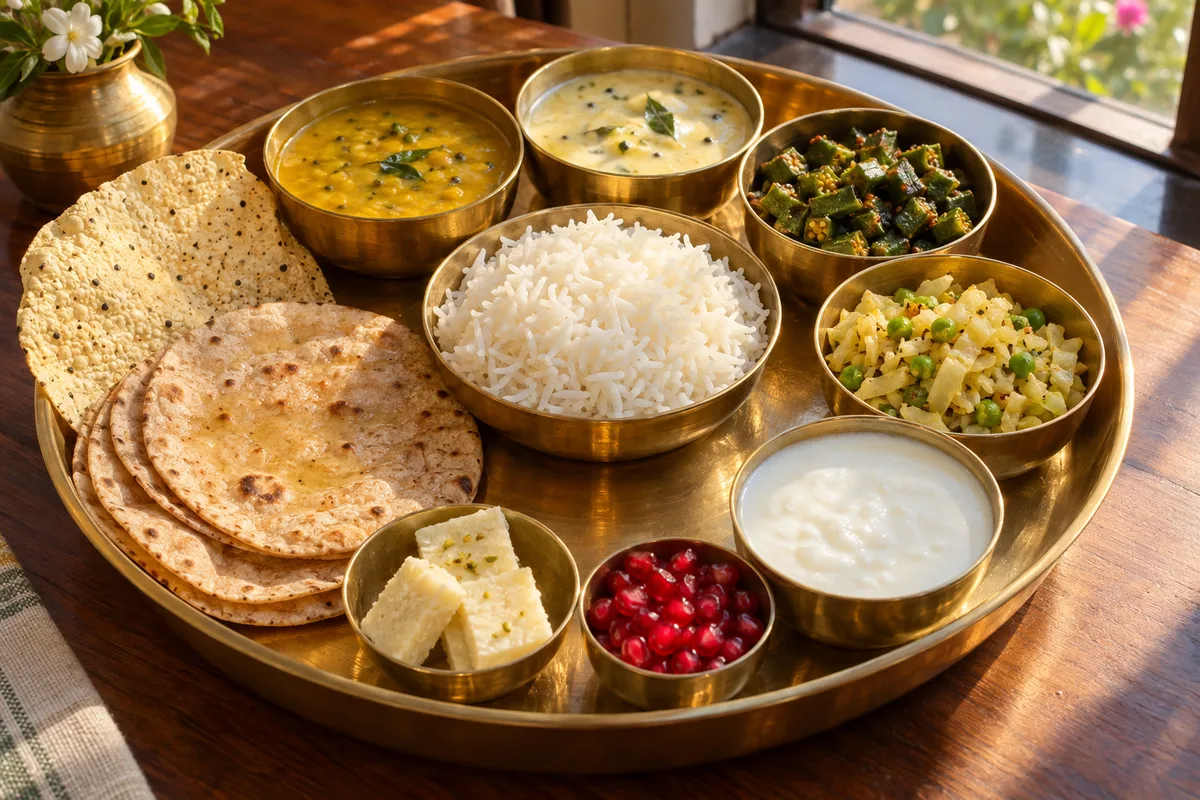
No onion, no garlic, no root vegetables — and for many families, nothing after sunset. In a Jain marriage, the kitchen matters — so the dietary preference sits right on the profile.
The year we keep together
The days a Jain family keeps — and the families you will meet here keep them too.
The holiest days of the Jain year, in Bhadrapad — eight days of Paryushana for Shwetambar families, ten days of Das Lakshana for Digambar families — kept with fasting, prayer and pratikraman.
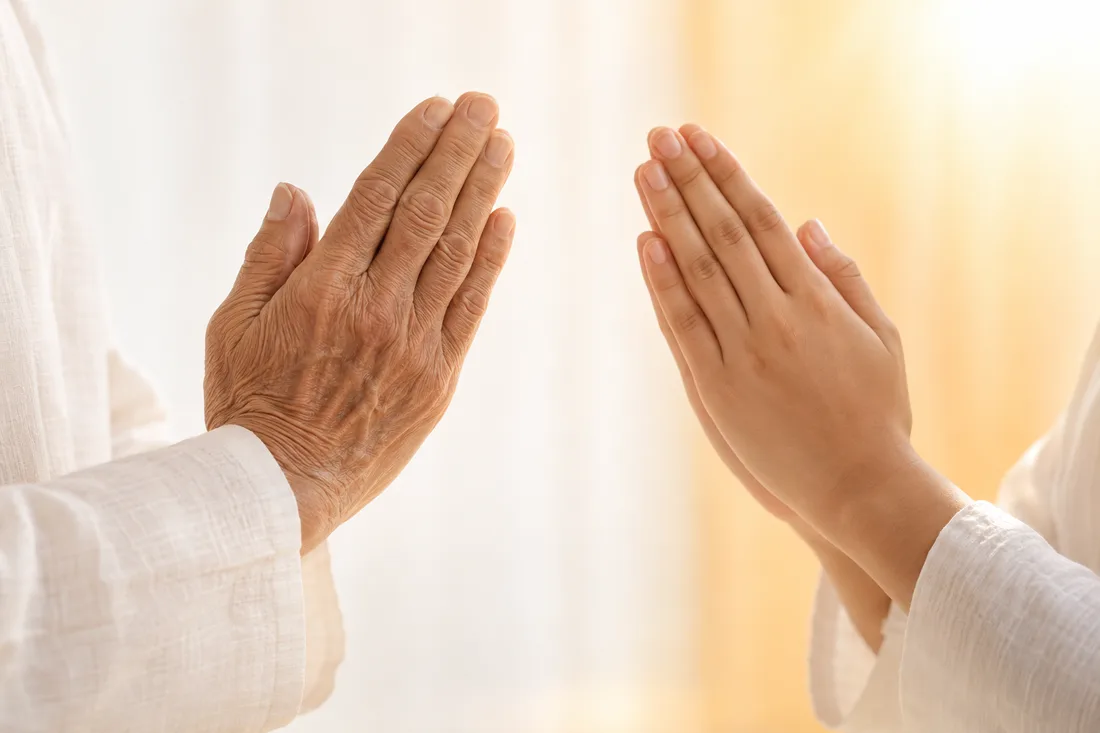
"Micchami Dukkadam": every family asks forgiveness for any hurt it may have caused. Shwetambar families keep it on Samvatsari, the last day of Paryushana; Digambar families on the first day of Ashvin Krishna.
Bhagwan Mahavira's birth, in the month of Chaitra — processions, discourses and charity in every Jain town.
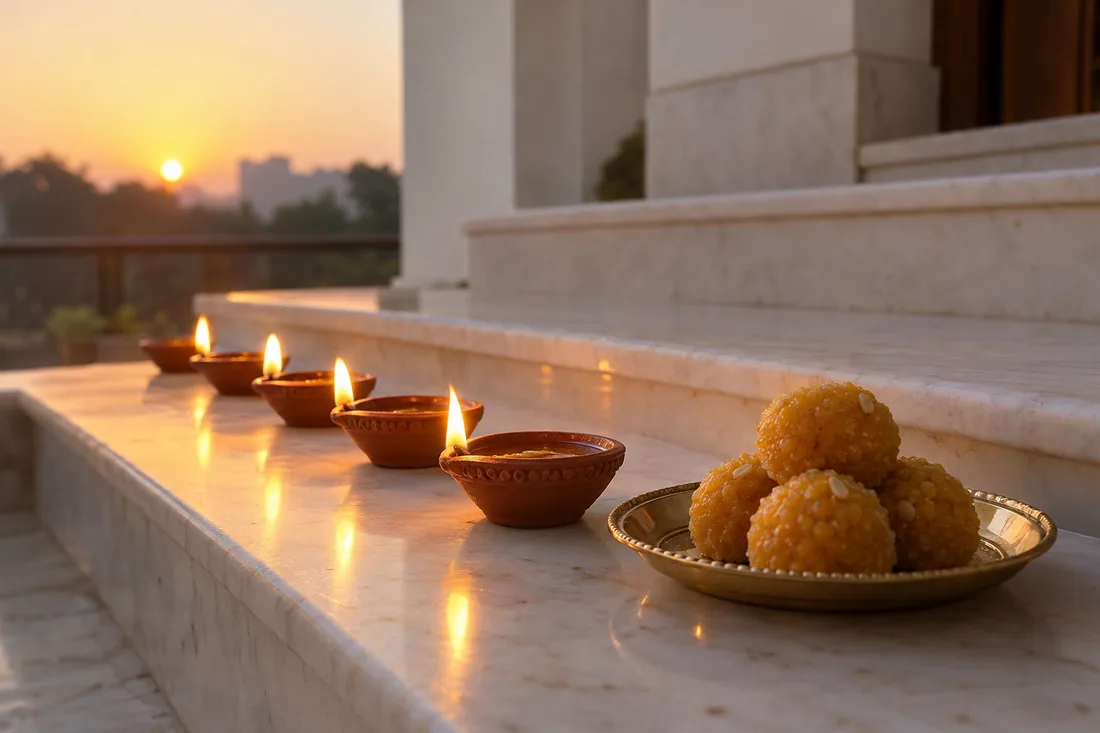
For Jain families, Diwali marks Bhagwan Mahavira's nirvana at Pawapuri; the lamps remember the light of his knowledge.
Tirthas every Jain family holds dear

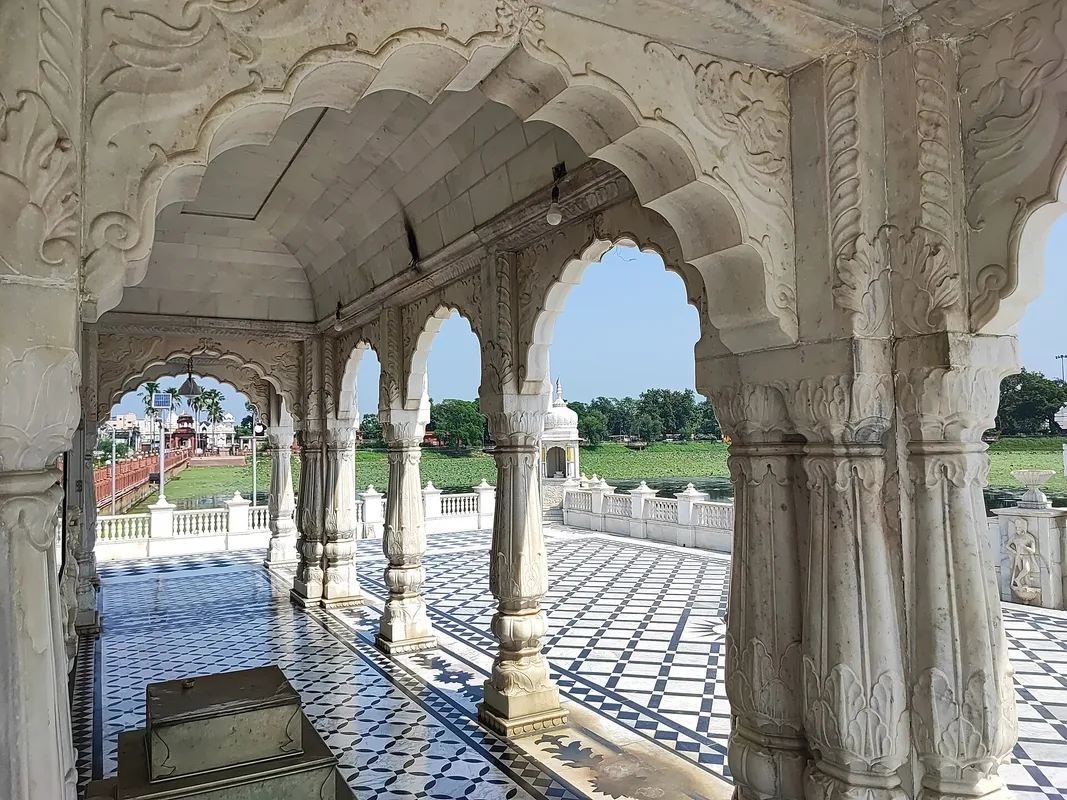
Built around how Jain alliances actually happen
Search by community and sect together, and see each family's gotra or family name, native place and dietary preference before the first call.
Every profile is reviewed and every photo checked, and Government-ID verified badges help you know who you are speaking with.
A biodata shared in a group can travel anywhere. Here, phone numbers and email are never shown openly — a family reveals contact only when ready to take an introduction forward.
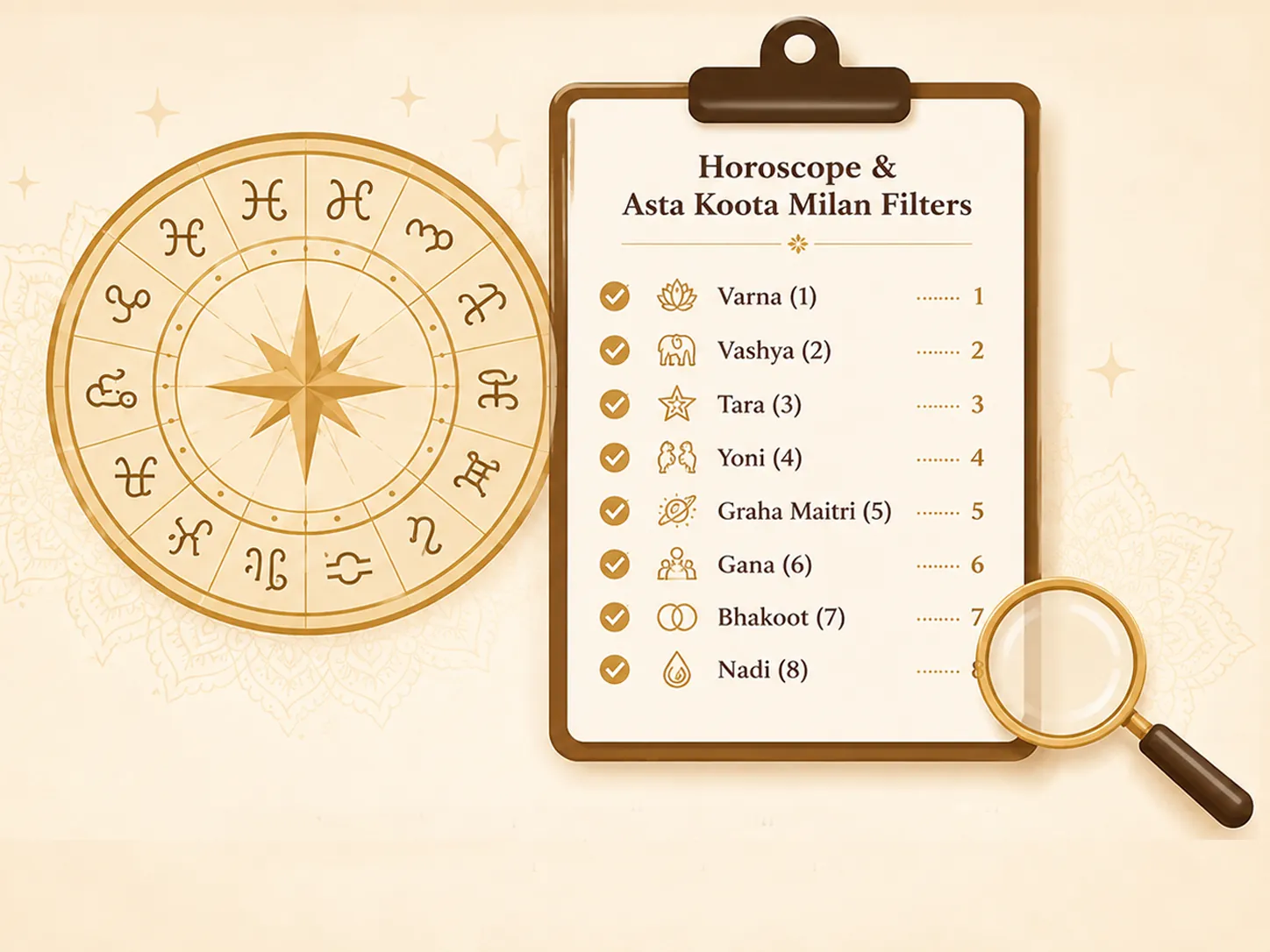
Nakshatra, rashi and Ashta Koota compatibility are there for every family that matches kundli before a marriage.
Search by native place and current city together — Bengaluru, Mumbai, Belagavi, Kolhapur, Chennai, Hyderabad, or a family settled abroad. The roots and the present-day life, both clear.
Optional, on request: your name and contact details stay private, photos can stay hidden, and introductions come through our matchmaking mediators.
Settled couples
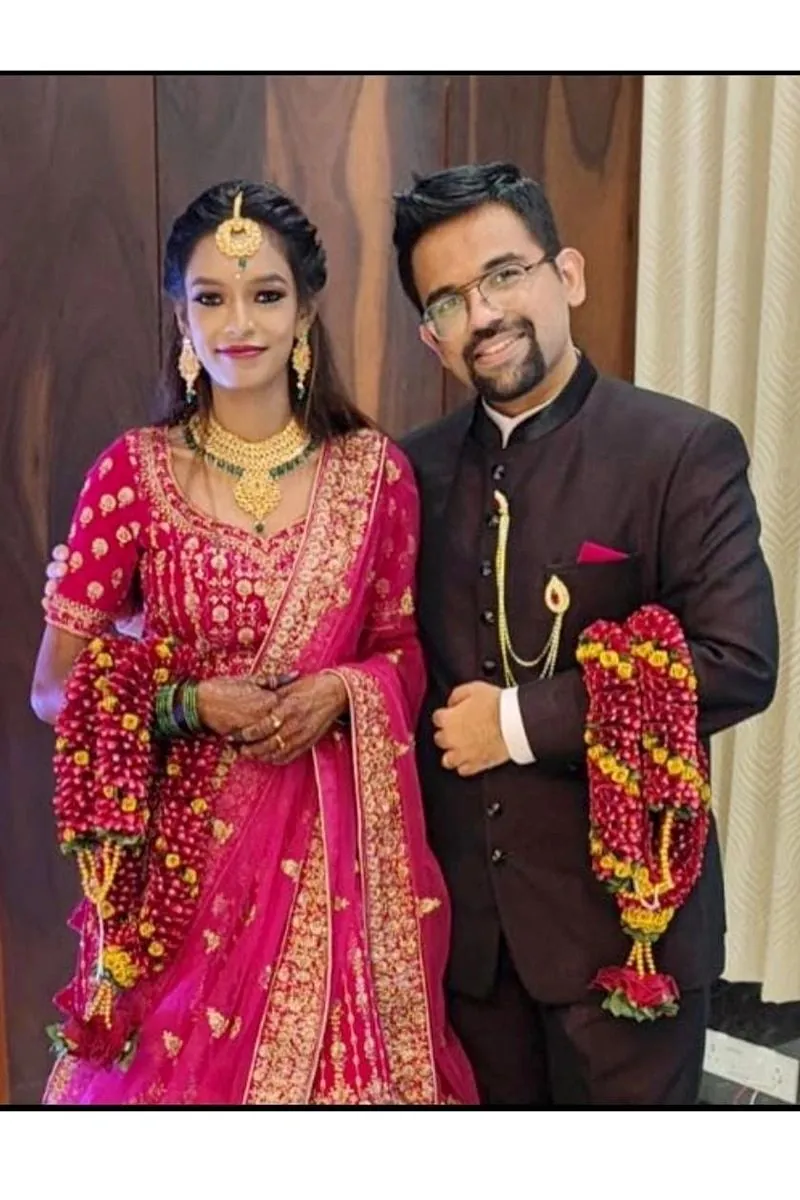
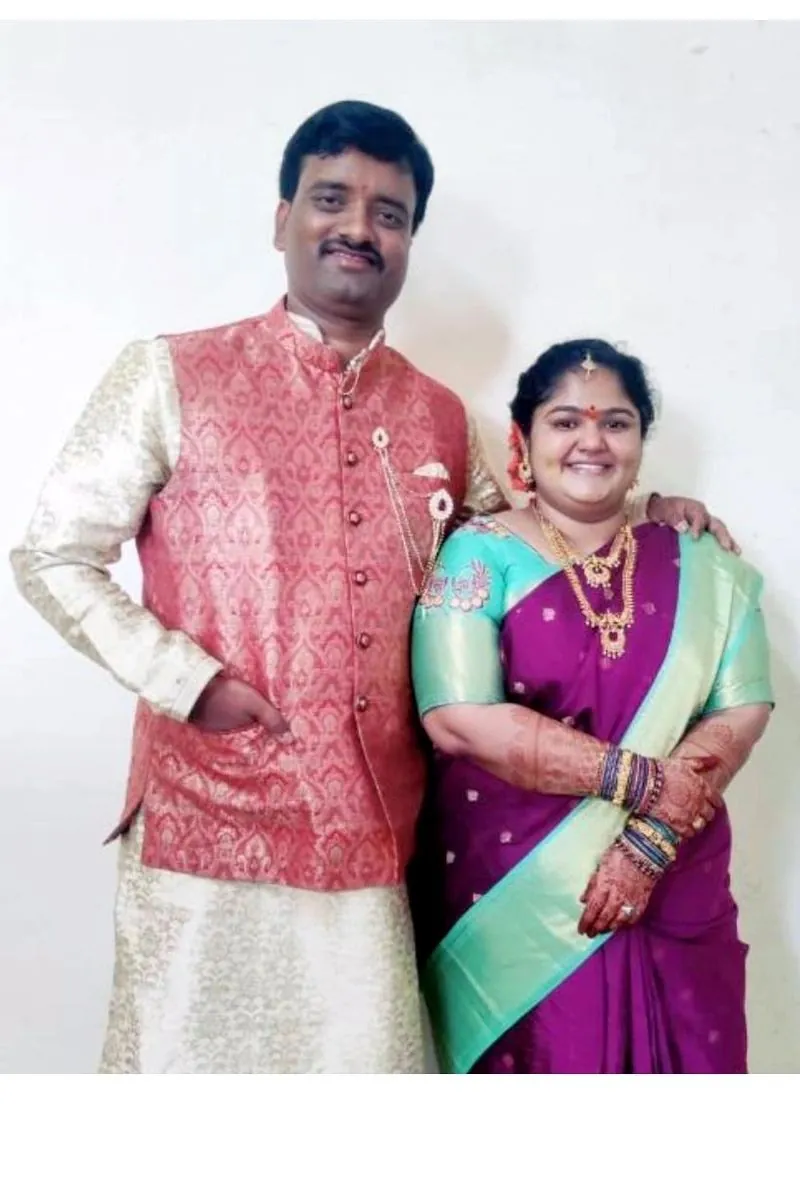
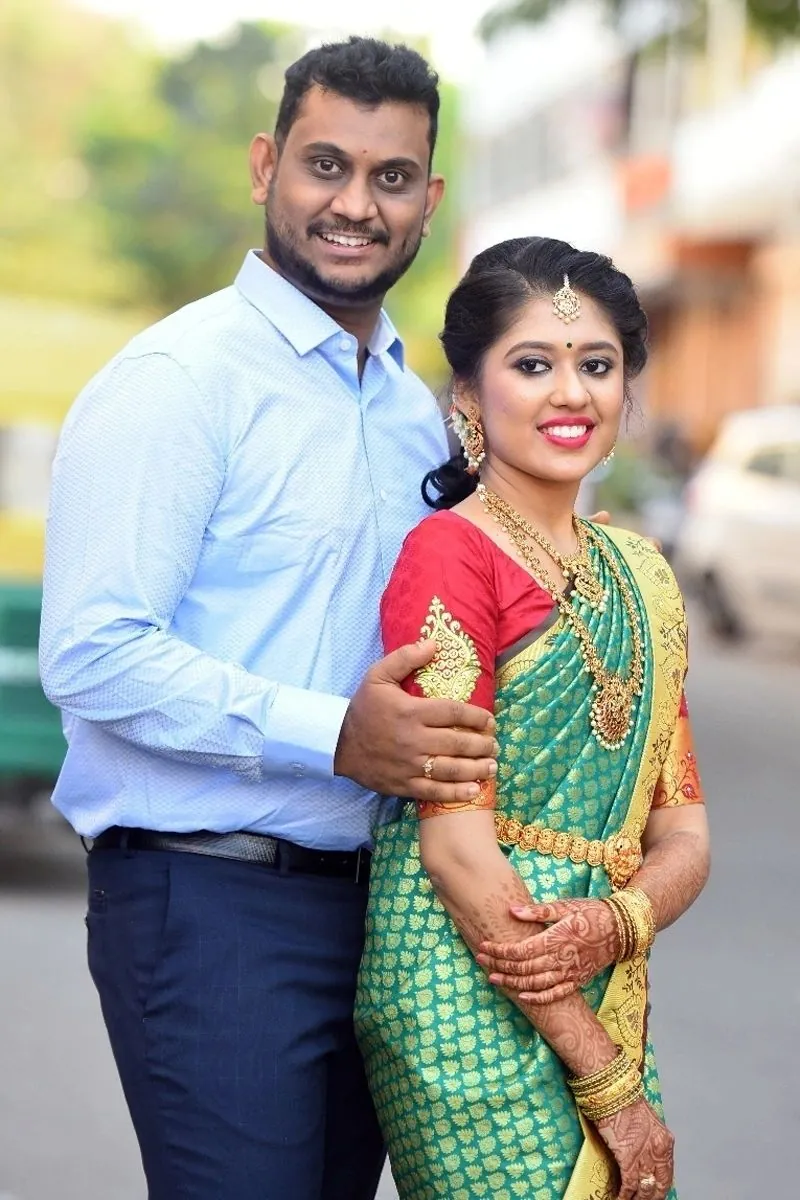
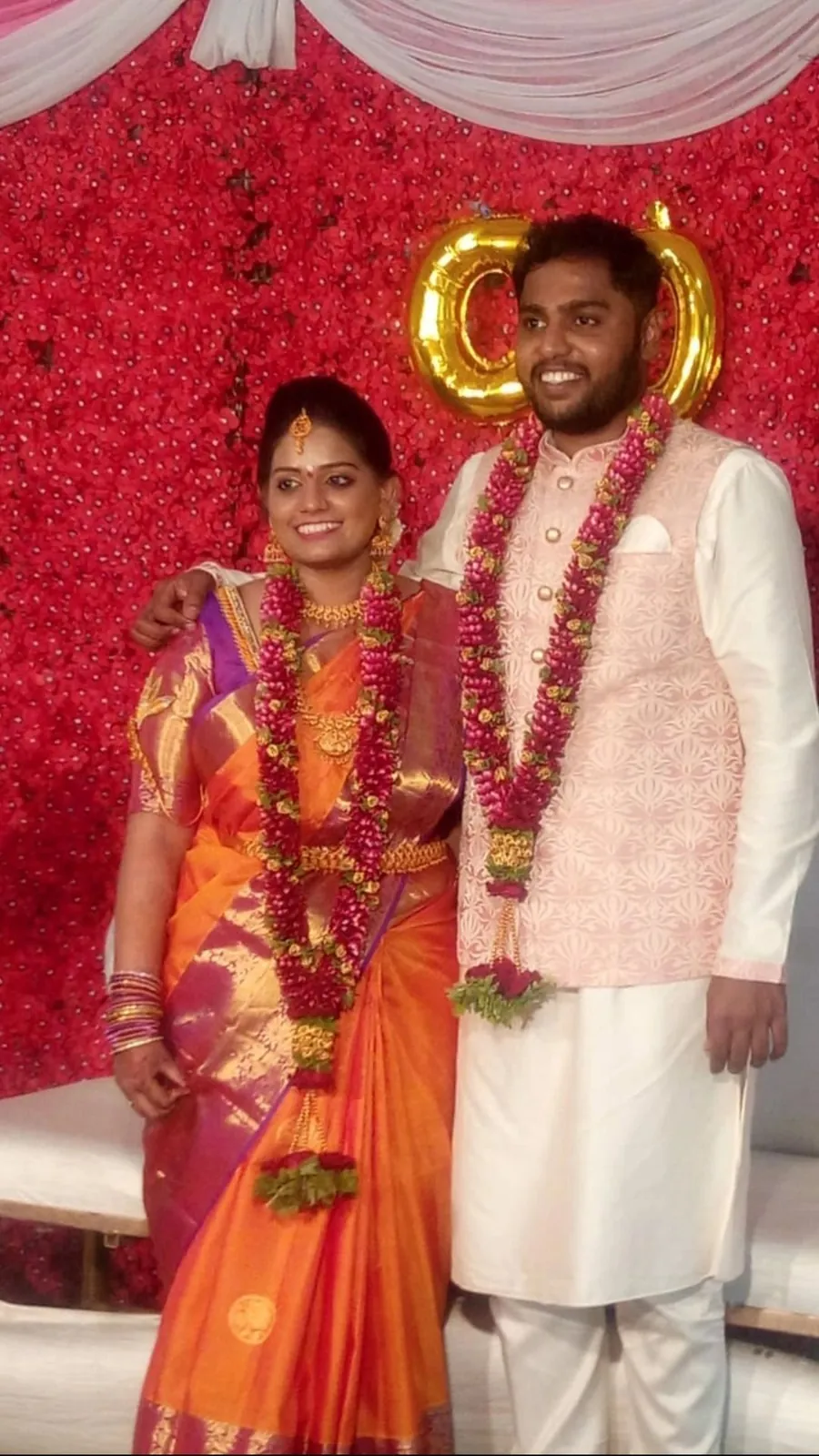
Jai Jinendra Matrimony is run by the team behind Sri Guru Raghavendra Matrimony, where more than 1,000 couples have married. A few of them, who agreed to be shown:
जय जिनेन्द्र
Creating an account takes a few minutes. Every profile you see and contact belongs to a Jain family.
Need help? WhatsApp or call +91 99024 54344 · [email protected]